
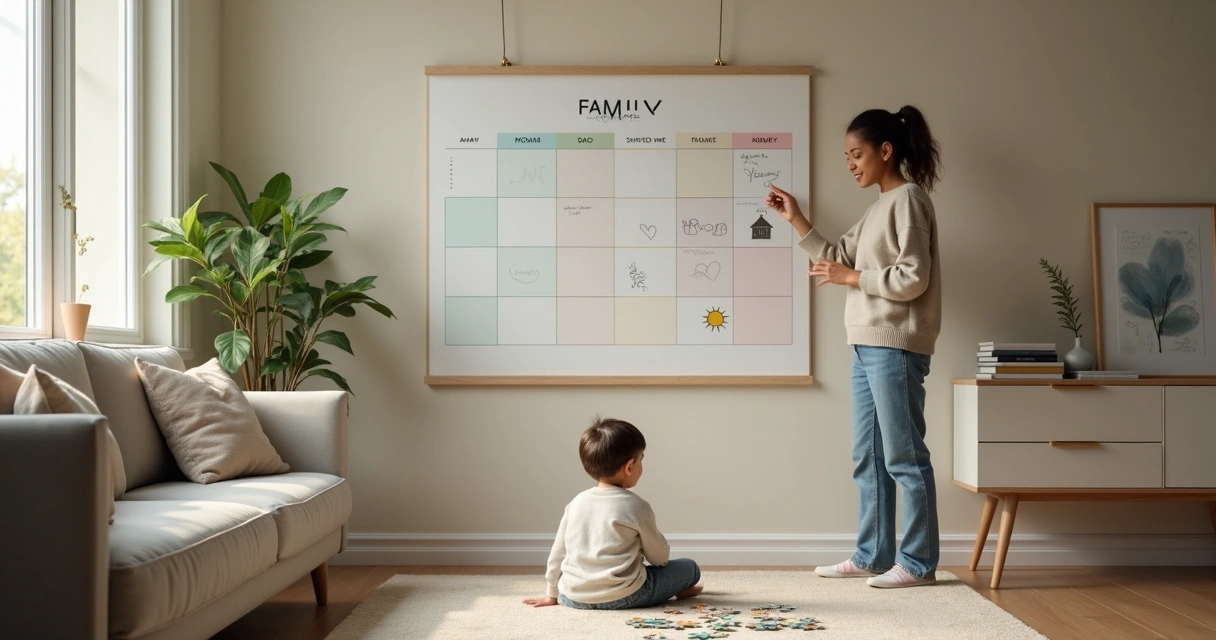
Co-parenting can test patience, memory, and emotional balance. It can also become a space for growth. When two adults no longer live as a couple, but still share the care of a child, every choice carries weight. A text message matters. A schedule change matters. A sigh at pickup time matters too.
We think conscious parenting in co-parenting starts with one honest idea: the child should not carry the emotional cost of adult conflict. Conscious co-parenting means making choices with awareness, emotional restraint, and respect for the child’s inner world.
Many families live in changing structures. Recent U.S. Census Bureau data on children and family living arrangements show that household patterns shift across age groups, which reminds us that family life is not one fixed model. What children need most is not perfection. It is steadiness, clarity, and care.
What conscious parenting looks like in two homes
In our experience, conscious parenting is not soft or vague. It is practical. It asks us to pause before reacting and to see the child as a person, not as a point in a dispute.
Picture a common moment. One parent returns the child late. The other feels disrespected and sends a harsh message. The night is ruined. The child notices the tension the next morning, even if no one explains it. This is how small ruptures grow.
Children feel what adults try to hide.
In two homes, conscious parenting often includes the same basic attitudes:
Speaking about the other parent with restraint
Keeping adult issues away from the child
Creating routines the child can trust
Listening to the child without turning them into a reporter
Correcting mistakes without shame or revenge
These acts may look small from the outside. To a child, they shape safety.
Start with self-regulation
We often want better communication before we build emotional control. That order usually fails. If we enter each exchange ready to defend ourselves, even neutral words can sound hostile.
A regulated parent can disagree without making the child feel divided.
Before answering a difficult message, it helps to slow the body first. We may need ten minutes. Sometimes an hour. A calm reply today can prevent a painful week.
Try a short internal check before contact:
What am I feeling right now?
What part of this is about the child, and what part is about my hurt?
What response will reduce tension instead of feeding it?
This is not about silence or submission. It is about responding from clarity, not impulse.

Build a child-centered communication style
Co-parenting communication works better when it is brief, direct, and tied to the child’s needs. Long emotional explanations often reopen old wounds. We have seen parents make progress when they write as if they are handling a shared care plan, not continuing a past argument.
A child-centered message usually has three parts:
The fact, stated clearly
The child-related need
A simple next step
For example, instead of saying, “You never respect my time,” we might say, “Pickup was 25 minutes late today. Our child gets anxious when the plan changes. Please message me by 4:00 if timing shifts.”
This type of language is not cold. It is clean. It protects everyone from extra damage.
Create consistency without forcing sameness
Many co-parents worry that both homes must work in exactly the same way. That is rarely realistic. One home may be quieter. The other may be more social. One parent may prefer early dinners. The other may be more flexible on weekends.
Children do not need identical homes. They need stable expectations, emotional safety, and predictable care.
It helps to align on a few shared anchors, such as:
Bedtime range on school nights
Homework responsibility
Basic screen rules
Health routines and medication
Standards for respectful behavior
When these anchor points are clear, the child spends less energy adjusting and more energy living.
Do not make the child manage the relationship
This happens more often than people admit. A child is asked to pass messages, report what happened in the other home, or give opinions on adult decisions. At first, it may seem harmless. Over time, it creates pressure and loyalty conflict.
We think one of the kindest lines a parent can say is, “You do not have to handle this. We will take care of it.”
That sentence gives a child their place back. They can return to being a child.
Children need room to love both parents.
If the child shares something sensitive, we can listen without interrogating. We can note the concern and speak to the other parent directly later, with calm and care.
Plan for conflict before it arrives
Even skilled co-parents disagree. The difference is not the absence of conflict. It is what they do when conflict comes.
We suggest setting a few rules in advance for hard moments. This can lower heat when stress rises. Good conflict rules may include:
No arguing during pickup or drop-off
No hostile messages late at night
No blaming language in front of the child
A waiting period before answering non-urgent complaints
One parent we observed kept a note on the phone that read, “Answer the issue, not the tone.” Short. Plain. Very helpful. That one line stopped many fights from growing.
Support the child’s emotional voice
Children in co-parenting situations may not say much at first. Some adapt quickly on the outside while feeling split on the inside. We need to watch for signals, not only statements.
Signs of strain can include sleep issues, stomach pain, irritability, clinginess, or silence after transitions. These signs do not always point to one cause, but they deserve steady attention.
It helps to invite, not push. We can ask:
How does the switch between homes feel for you lately?
Is there anything that would make transitions easier?
Do you want me to listen, help, or just sit with you?
Questions like these show respect. They tell the child that their inner life matters.
Conclusion
Conscious parenting in co-parenting situations is not about acting perfectly. It is about acting with awareness, especially when emotions run high. When we regulate ourselves, protect the child from adult tension, and keep communication tied to care, we build a healthier path across two homes.
Some days will go well. Some will not. Still, each thoughtful response adds trust. Each calm boundary reduces fear. Each child-centered choice tells the child, in quiet ways, “You are not the problem. You are the one we are here to care for.”
Frequently asked questions
What is conscious parenting in co-parenting?
Conscious parenting in co-parenting is the practice of raising a child with awareness, emotional restraint, and respect across two homes. It means we make decisions based on the child’s well-being instead of using the parenting bond to continue conflict.
How to start conscious co-parenting?
We can start by choosing one clear shift at a time. Use calmer messages, keep the child out of adult issues, and agree on a few stable routines. Starting small often works better than trying to fix everything at once.
What are common conscious parenting challenges?
Common challenges include unresolved hurt, different parenting styles, poor timing in communication, and the child’s emotional stress during transitions. These issues can be managed better when we respond with structure and self-control.
How can I manage disagreements peacefully?
Peaceful disagreement starts with pausing before reacting. Keep the topic focused on the child, avoid blame, and discuss hard matters away from pickup times or the child’s hearing. Written communication can help when spoken exchanges get tense.
Is conscious parenting worth it in co-parenting?
Yes. Conscious parenting is worth it because it lowers emotional strain on the child and creates more stable relationships over time. Even when the adults do not agree on everything, a more aware approach can reduce harm and build trust.